
Black Mag Would you like to share your story, your advice or your lessons in life with over 3 million monthly readers of blackmag.tk?
Saturday, 31 August 2019
French F2 driver Anthoine Hubert dies after high-speed crash
from Canoe https://ift.tt/2Pw2gCd
One dead, six wounded after suspected knife attack in France
from Canoe https://ift.tt/2Lip2bf
Second World War veteran, 96, breaks own scuba diving record
from Canoe https://ift.tt/2HC1BbR
‘SHUT UP’: Woman drowns while being scolded on phone by 911 dispatcher
from Canoe https://ift.tt/2NKde4j
LG's New 55+ inch OLED Plant in China Opens: Over 1m+ per Year
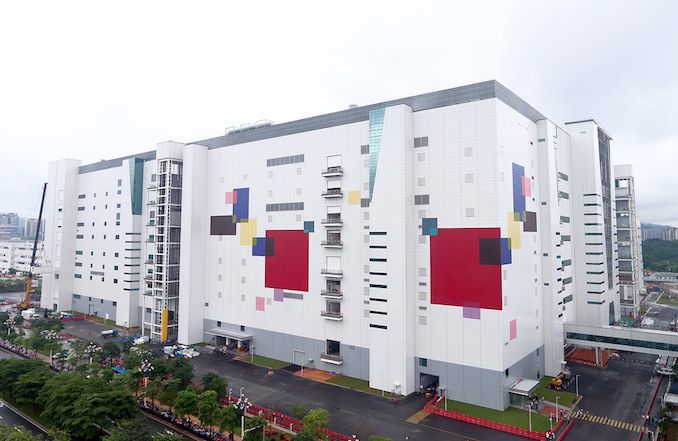
LG Display this month started production at its 8.5th Generation OLED manufacturing facility in Guangzhou, China. When fully ramped, total capacity of the factory will be 90,000 substrates per month. The plant will produce 55, 65, and 77-inch high-resolution panels for televisions. In fact, LG’s goal is to make 10 million large size OLED panels per year by 2022, which means to more than double its current output.
The new 8.5G OLED panel plant is a nine-level building above the ground that occupies a 74,000 m² piece of land and provides 427,000 m² of floor space. Initial capacity of the manufacturing facility will be 60,000 2200×2500 mm substrates per month, which will be expanded to 90,000 sheets per month by 2021. The factory will be operated by LG Display High-Tech China, a joint venture between LG Display and Guangzhou Development District, in which the former holds a 70% stake (with ~$2,150 billion in capital).
Facing cut-throat competition from various makers of liquid crystal displays, LG Display recently set a strategic goal to significantly expand production of large OLED panels in a bid to serve more lucrative and growing market segments. LGD says that it sold 2.9 million huge OLED panels in 2018 and expects to sell 3.8 million large panels this year, which will turn this business to profitability. Citing market researchers, the manufacturer says that demand for OLED TVs and panels is growing and to that end, it makes a great sense to invest in OLED plants.
Right now, LG makes 70,000 8.5G OLED substrates at its plant near Paju, South Korea. The company is building a 10.5th Generation OLED plant near Paju that will produce 45,000 of 2940×3370 mm substrates per month when it is ready in 2022. Combined, LGD will manufacture 160,000 8.5G OLED substrates and 45,000 10.5G OLED sheets a month in 2022. The company hopes that its expanded manufacturing capacity will enable it to make 10 million of large OLED panels per year by 2022.
Related Reading:
- LG to Start Production of OLEDs in China Next Month, Set to Double OLED Output
- AU Optronics OLED Displays: A New Foldable + A New 17.3-Inch 4K120
- Japan’s Ministry Approves Shipments of Industrial Chemicals to South Korea
- Samsung Mulls Suspending South Korea LCD Plant Due to Oversupply
Source: LG Display


from AnandTech https://ift.tt/2NIBrZ5
Thousands protest British PM Johnson’s move to suspend parliament
from Canoe https://ift.tt/2ZslcX8
Dorian strengthens to category 4 hurricane as it churns toward Florida
from Canoe https://ift.tt/2Lllfdb
World’s First Smartphone with a 64 MP Camera: Xiaomi’s Redmi Note 8 Pro

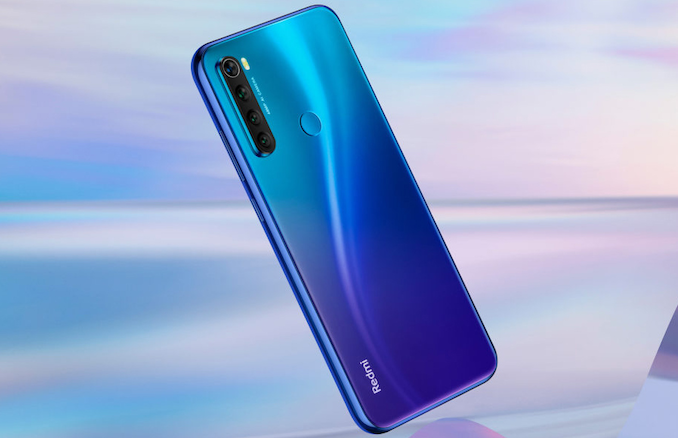
Xiaomi has unveiled its new breed of Redmi Note smartphones boasting with high-performance SoCs as well as premium cameras. The new flagship Redmi Note 8 Pro is the industry’s first handset to feature Samsung GW1 64MP camera module, whereas the Redmi Note 8 offers a 48 MP camera at an entry-level price point.
The Redmi Note 8 Pro
The Xiaomi Redmi Note 8 Pro comes in a rather standard chassis comprised of an aluminum frame encompassed with Gorilla Glass 5 and features a 6.53-inch IPS LCD display with a 2340×1080 resolution as well as a 19.5:9 ratio. With a screen to body ratio of 91.4% (according to Xiaomi) and a rain drop selfie camera module, the device will be available in three colors: Mineral Grey, Pearl White and Forest Green.

Being a range-topping ‘Pro-level’ device, the Redmi Note 8 Pro is based on MediaTek’s flagship G90T SoC (two Cortex-A76, six Cortex-A55, quad-cluster Mali G76 at 800 MHz, AI-specific accelerators, dual-channel LPDDR4X controller, 12FFC) accompanied by 6 or 8 GB of LPDDR4X memory as well as 64 or 128 GB of NAND flash storage (expandable using a microSD card). The SoC is cooled down using Xiaomi’s LiquidCool cooling system (featuring a large piece of aluminum and a heat pipe) in a bid to sustain peak performance for prolonged periods. Performance wise, the new smartphone promises to be rather powerful, yet one of the main reasons to use the MediaTek G90T is because it supports a 64 MP camera module.
In fact, imaging capabilities are the key selling point of the Redmi Note 8 Pro. The main camera is comprised of the Samsung GW1 64 MP RGB module, an 8 MP ultrawide sensor with a 120° field of view, a 2 MP dedicated macro lens, a 2 MP depth sensor, and a dual-LED flash. Meanwhile, the phone also has a 20 MP camera for selfies.

Of course, the Redmi Note 8 Pro supports 4G/LTE: up to 600 Mbps downloads and up to 150 Mbps downloads. Other notable features of the Redmi Note 8 Pro include a 4,500 mAh battery, 802.11ac Wi-Fi, Bluetooth 5.0, NFC, IP52 splash-proof protection, a USB 2.0 Type-C port for data and charging, a 3.5-mm audio jack, an IR blaster, and stereo speakers.
The Redmi Note 8
The 'younger' brother of the family — the Redmi Note 8 — is naturally a more cost effective option. Coming in an aluminum with glass on the front and plastic on the back chassis, this smartphone has a 6.3-inch IPS LCD display with 2340×1080 resolution. It is based on Qualcomm’s Snapdragon 665 SoC (four Cortex-A73-like cores, four Cortex-A53-like cores, an Adreno 610 GPU, X12 LTE modem) that is paired with 4 or 6 GB of RAM as well as 64 GB or 128 GB of storage.

Even though it is positioned as a mainstream smartphone, the Redmi Note 8 also has a premium quad-module main camera comprising of a 48 MP RGB sensor, an 8 MP ultrawide sensor with a 120° field of view, a 2 MP dedicated macro lens, a 2 MP depth sensor, and a LED flash. It also has a 13 MP camera for selfies. Inherited from the 'older' brother are a USB Type-C connector, an IR blaster, and a 3.5-mm headset jack.
Spec Comparison
| The Xiaomi Redmi Note 8 Family | |||
| Redmi Note 8 Pro | Redmi Note 8 | ||
| Display | IPS LCD 6.53" 2340x1080 Corning Gorilla Glass 5 |
IPS LCD 6.3" 2340x1080 |
|
| SoC | MediaTek G90T 2x Cortex-A76 at 2 GHz 6x Cortex-A55 at 2.05 GHz quad-cluster Mali G76 at 800 MHz AI-specific accelerators dual-channel LPDDR4X controller 12FFC |
Qualcomm Snapdragon 665 4x Cortex-A73-like cores 4x Cortex-A53-like cores Adreno 610 GPU X12 LTE modem |
|
| RAM | 6 or 8 GB LPDDR4X | 4 or 6 GB DRAM | |
| Storage | 64 GB or 128 GB of NAND flash microSD card slot |
||
| Local Connectivity | Wi-Fi | 802.11ac Wi-Fi | |
| Bluetooth | Bluetooth 5.0 | ||
| Data/Charging | USB 2.0 Type-C | ||
| Audio | 3.5-mm jack stereo speakers active noice cancellation |
3.5-mm jack stereo speakers |
|
| NFC | Yes | - | |
| LTE | 4G/LTE CAT 12 UL 600 Mbps CAT 13 UL 150 Mbps |
X12 LTE | |
| Navigation | A-GPS, GLONASS, BDS | A-GPS, GLONASS, BDS, GALILEO | |
| Rear Camera | Main | 64 MP, f/1.8, 1/1.7-inch 0.8µm pixels PDAF |
48 MP, f/1.8, 1/2-inch 0.8µm pixels, PDAF |
| Ultrawide | 8 MP, f/2.2 13mm (ultrawide) 1/4-inch 1.12 µm pixels |
||
| Macro | 2 MP, f/2.4 1/5-inch 1.075 µm pixels |
||
| Depth | 2 MP, f/2.4 1/5-inch 1.075 µm pixels |
||
| Front Camera | 20 MP, f/2.0 | 13 MP, f/2.0 | |
| Battery | Capacity | 4500 mAh | 4000 mAh |
| Expected Life | ? | ? | |
| SIM Size | Nano SIM + Nano Sim | ||
| Sensors | accelerometer, gyro, proximity, compass | ||
| Biometric Security | Fingerprint | Yes (?) | Yes |
| Facial Recognition | - | - | |
| Dimensions | Height | 161.3 mm | 6.35 inches | 158.3 mm | 6.23 inches |
| Width | 76.4 mm | 3.01 inches | 75.3 mm | 2.96 inches | |
| Thickness | 8.8 mm | 0.35 inches | 8.4 mm | 0.33 inches | |
| Weight | 199 grams | 7.02 ounces | 190 grams | 6.7 ounces | |
| Colors | Mineral Grey Pearl White Forest Green |
Blue White/Grey Black |
|
| Protection | Drop | ? | - |
| Splashes | IP52 | - | |
| OS | Google Android 9.0 with MIUI 10 | ||
| Launch Countries | China initially, NA/EU launch later | ||
| Price | 6 GB + 64 GB — RMB 1,399 6 GB + 128 GB — RMB 1,599 8 GB + 128 GB — RMB 1,799 starts at $172 |
4 GB + 64 GB — RMB 999 6 GB + 64 GB — RMB 1,199 6 GB + 128 GB — RMB 1,399 starts at $124 |
|
Price and Availability
So far, Xiami has introduced its Redmi Note 8 series only for China, where they will ship in September, but expect the smartphones to hit other markets in the future. The Redmi Note 8 Pro starts at RMB 1,399 for a 6 GB + 64 GB version and goes all the way to RMB 1,799 for an 8 GB + 128 GB model. The Redmi Note 8 is naturally cheaper: it costs RMB 999 – RMB 1,399 depending on configuration.
Related Reading:
- Xiaomi Unveils Black Shark 2 Pro: Snapdragon 855+, UFS 3.0 Storage
- Xiaomi Mi 9 Lauched in China: 6.39-inch Snapdragon 855 with Game Turbo
- Xiaomi Announces Mi MIX 2S: Snapdragon 845 and Dual Camera for Mi MIX
- Xiaomi Launches Redmi Note 5 & Redmi Note 5 Pro with 18:9 5.99-Inch LCDs
- Xiaomi Announces the Redmi Note 4 in India
Sources: Xiaomi/Redmi, GSMArena

from AnandTech https://ift.tt/2Pw7g9K
Kristen Stewart says she’s no longer intimidated by fame
from Canoe https://ift.tt/2PrsgOT
Despite outcry, cancelled Netflix show ‘The OA’ will not end with film
from Canoe https://ift.tt/2zCiZJ5
Justin and Hailey Bieber’s second wedding to be a heavily Christian affair
from Canoe https://ift.tt/34etH6F
German Chancellor Merkel hints at return to academia after politics
from Canoe https://ift.tt/2ZpRZMp
HONG KONG PROTESTS: Chaos as cops fire tear gas, protesters hurl petrol bombs
from Canoe https://ift.tt/2LpY69Q
Prairie ticket claims Friday’s $50M Lotto Max jackpot
from Canoe https://ift.tt/2HyxguH
Pete Davidson fuels new romance rumours by joining Margaret Qualley in Venice
from Canoe https://ift.tt/2PwGK06
Ryan Russell: NFL ready to support out LGBT+ players
from Canoe https://ift.tt/32g7l2R
Friday, 30 August 2019
Fliers can sue over airport screener abuses, U.S. appeals court rules
from Canoe https://ift.tt/2ZGbJqa
Google to pay up to US$200M to FTC on YouTube probe: Politico
from Canoe https://ift.tt/2UlqkGz
AUO’s Mini LED Monitors: 32-Inch 4Kp144, 65-Inch 4Kp144, VR, & Others

Among other leading-edge consumer displays demonstrated by AU Optronics this week at Touch Taiwan 2019 trade show are the company’s monitors with Mini LED backlighting. The displays are intended for a variety of applications that benefit from high brightness and contrast ratios, including Ultra-HD televisions, computer displays, VR headsets, and in-car infotainment systems.
The largest Mini LED-enabled screen from AUO is a 65-Inch display featuring a 3840×2160 resolution, 2,500 nits peak brightness, a 144 Hz refresh rate, and over 1,000 local dimming zones. Officially, this one is called a ‘large size gaming display’ and could easily compete against NVIDIA’s BFGDs sold by ASUS and HP when it is available. Meanwhile, being a maker of panels, AUO cannot pre-announce actual retail products by its partners.
The somewhat smaller Mini LED offering from AUO is its 32-inch prototype featuring a 4K resolution, 1,500 nits peak brightness, a 144 Hz refresh rate, as well as over 1,000 local dimming zones. The LCD resembles ASUS’ 32-inch ProArt PA32UCX professional display introduced at CES, but has a considerably higher refresh rate and is positioned for gaming applications.

One more gaming screen from AUO featuring a Mini LED backlighting is a 17.3-inch LTPS 4K gaming display that meets VESA’s DisplayHDR 1000 (which means at least 1000 nits brightness) requirements and is designed for high-end notebooks.
Another interesting prototype with a Mini LED backlight module is AUO’s 2.9-inch LTPS display with 2,304 dimming zones as well as a whopping pixel density of 1,688 PPI. The screen promises ultimate fidelity and ultra-realistic VR experience, though it is unclear when AU Optronics will be able to ship the device commercially to interested parties.
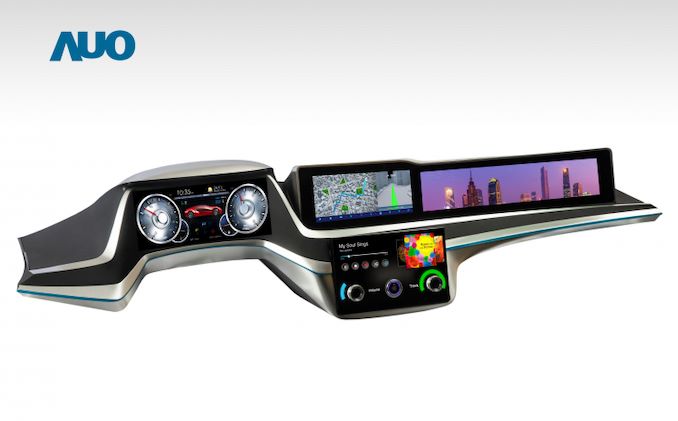
Extending its Mini LED technology to non-gaming applications, AU Optronics has also developed a 12.3-inch LTPS curved cluster panel featuring a 750R curvature, a high resolution, 1000 nits brightness, and high contrasts. The screen is intended for vehicles, but considering how long it takes for auto industry to validate new technologies, AUO expects it to adopt this or similar displays within five years.
Based on the fact that AUO, which is one of the leading producers of LCDs on the planet, makes rather high bets on Mini LED-based backlighting, it looks like the technology certainly has a big future at least in high-end applications. What remains to be seen is when and whether this technology will get cheaper and will be used for mainstream displays.
Related Reading:
- AU Optronics's New 85-Inch 8K LCD TV with 1,024-Zone Backlighting
- ASUS Mini LED Professional Monitors Update: Available This Year
- Acer Joins Mini LED Monitor Club with Professional-Focused ConceptD CM7321K
- ASUS at CES 2019: ProArt PA32UCX 4K Monitor with 1000-Zone FALD Unveiled
Source: AUO

from AnandTech https://ift.tt/30L8oaJ
Chargers GM on Melvin Gordon contract: ‘I haven’t solved this one yet’
from Canoe https://ift.tt/2Lbo9RG
Stephen Harper fundraising pitch used to raise money for Liberals?
from Canoe https://ift.tt/2HAGczV
Airbus pulls out of Canada’s fighter jet competition following complaints
from Canoe https://ift.tt/2PsLFz8
James Cameron plotting new Terminator trilogy
from Canoe https://ift.tt/2zuEADv
Federal books show $500M shortfall in first quarter of 2019-20 fiscal year
from Canoe https://ift.tt/2Uhlv13
ASUS ZenBook Pro Duo UX58: A Dual Screen Laptop with 100% DCI-P3 OLED
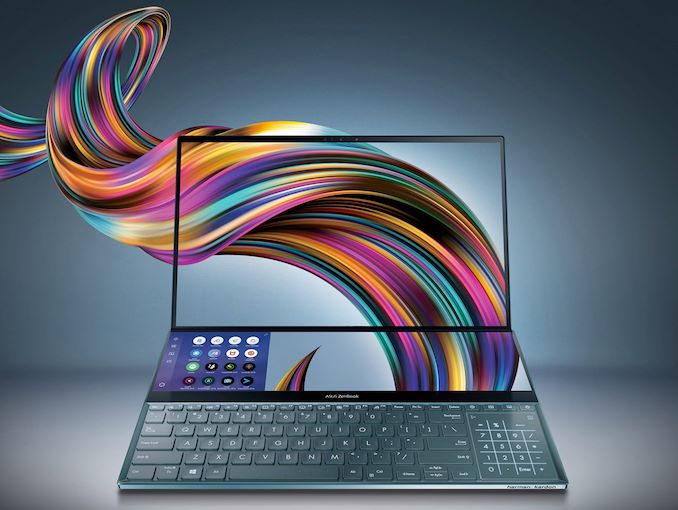
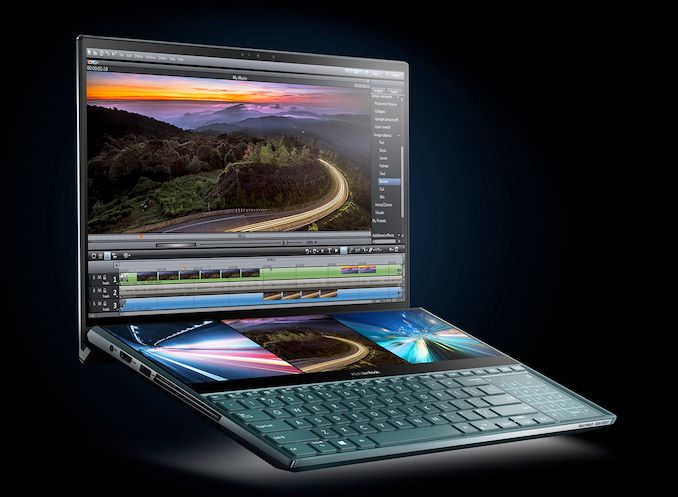
Modern notebooks can offer performance and feature set comparable to those of desktop PCs. One thing that laptops cannot offer is the screen real estate: desktops can be equipped with a large 32-43-inch monitor, whereas mobile workstations come with a 15.6 – 17.3-inch LCD at best (unless, of course, they are connected to an external panel). ASUS this week launched its ZenBook Pro Duo notebook that comes with a 15.6-inch 4K primary OLED display that is accompanied by a 14-inch secondary screen.

Being in the flagship family of mobile PCs from ASUS, the ZenBook Pro notebooks incorporate all the latest and greatest technologies that the company has to offer. This includes a luxurious aluminum unibody chassis that stand out from any competition. The ZenBook Pro Duo UX58 is clearly not an exception: it comes in a celestial blue aluminum chassis with reflective edges that looks extremely stylish. Unlike most laptops in the series, the ZenBook Pro Duo UX58 is not that compact: it is 2.4 cm thick and it weighs 2.5 kilograms. But there is a reason why the notebook is not really compact: it has two displays and contains high-performance components like Intel’s eight-core CPU and NVIDIA’s GeForce RTX discrete GPU.

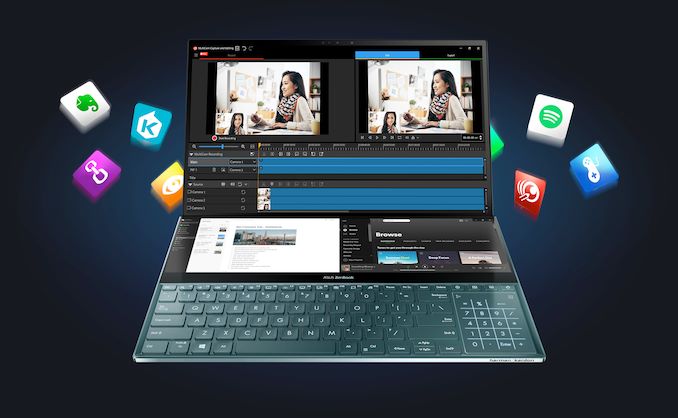
The primary display of the ASUS ZenBook Pro Duo UX58 is a Pantone Validated 15.6-inch OLED touchscreen with a 3840×2160 resolution that can reproduce 100% of the DCI-P3 color gamut. The secondary display of the laptop, which the company calls ScreenPad Plus and which is located above the keyboard, is a 14-inch touch-enabled display featuring a 3840×1100 resolution, a 32:9 aspect ratio, and 178˚ viewing angles. The ScreenPad Plus can be used like a regular secondary display under Windows to extend the desktop space. Besides, it can be used with ASUS’s ScreenXpert control software that simplifies multiscreen window and program management as well as can run specially-designed apps. Furthermore, ASUS is also working with developers of professional applications to create versions that can take advantage of the ScreenPad Plus in a way that many apps take advantage of Apple’s TouchBar.

The internals of the ASUS ZenBook Pro Duo UX58 is as premium as its externals. Depending on exact model, the notebook can be based on Intel’s six-core Core i7-9750H or unlocked eight-core Core i9-9980HK processor, though we do not know whether ASUS lets owners of the notebook overclock this CPU. The systems also feature NVIDIA’s discrete GeForce RTX 2060 graphics processor with 6 GB of GDDR6 memory; 8, 16 or 32 GB of DDR4-2666 DRAM, and an SSD with up 1 TB capacity (PCIe 2.0/3.0 x4/NVMe). Considering that we are dealing with very high-performance components, expect ASUS to use a specially designed cooling systems with multiple heat pipes and fans. To boost performance of the notebook, it has a Turbo Fan button that speeds up fans to maximize cooling performance and enable the CPU and the GPU to increase their boost clocks.

Connectivity wise, the ZenBook Pro Duo UX58 is a first-class machine as well. On the wireless side of things, the laptop is equipped with Intel’s Wi-Fi 6 solution (with Gbps+ throughput) and Bluetooth 5.0. As for physical connectors, the laptop comes with one Thunderbolt 3 port, two USB 3.1 Gen 2 Type-A connectors, an HDMI 2.0 display output, a 3.5-mm combo audio jack, and a proprietary jack for charging.
When it comes to multimedia capabilities, the mobile PC has a Windows Hello-capable webcam with IR sensors, Harman Kardon-badged stereo speakers, and a microphone array with Cortana and Alexa voice-recognition support,
At present, ASUS offers two versions of its ZenBook Pro Duo laptops: the model UX581GV-XB74T based on the six-core CPU for $2,499 as well as the model UX581GV-XB94T powered by the eight-core CPU for $2,999. Eventually, the company will offer other SKUs.
| The ASUS ZenBook Pro Duo Laptops | ||||
| General | UX581GV-XB74T | UX581GV-XB94T | ||
| Primary Display | General | 15.6-inch OLED with touch | ||
| Resolution Color Gamut |
3840×2160 100% DCI-P3 133% sRGB |
|||
| Features | Pantone Validated DisplayHDR True Black 500 |
|||
| Secondary Display | Diagonal | 14-inch with touch | ||
| Resolution | 3840×1100 | |||
| Viewing Angles | 178˚ | |||
| CPU Options | Intel Core i7-9750H Intel Core i9-9980HK |
Intel Core i7-9750H 6C/12T, 2.6 - 4.5 GHz |
Intel Core i9-9980HK 8C/16T, 2.4 - 5 GHz |
|
| Graphics | Integrated | HD Graphics 630 (24 EUs) | ||
| Discrete | NVIDIA GeForce RTX 2060 6 GB GDDR6 | |||
| RAM | <32 GB DDR4-2666 | 16 GB DDR4-2666 | 32 GB DDR4-2666 | |
| Storage | SSD | 256 GB PCIe 3.0 x2 512 GB PCIe 3.0 x2 1 TB Optane H10 |
Intel Optane Memory H10 PCIe 3.0 x4 1 TB 3D QLC + 32 GB 3D XPoint |
|
| Wireless | Wi-Fi | Intel Wi-Fi 6 (802.11ax) | ||
| Bluetooth | Bluetooth 5.0 | |||
| USB | 3.1 Gen 2 | 1 × TB 3 (Type-C) 2 × USB Type-A |
||
| Thunderbolt | 1 × TB 3 (data, DP displays) | |||
| Display Outputs | 1 × HDMI 2.0 1 × TB3 with DisplayPort |
|||
| Gigabit Ethernet | none | |||
| Card Reader | none | |||
| Webcam | Windows Hello-capable webcam with IR sensors | |||
| Fingerprint Sensor | none | |||
| Other I/O | Microphone, stereo speakers, audio jack | |||
| Battery | 62 Wh Li-Poly 71 Wh Li-Poly |
71 Wh Li-Poly | ||
| Dimensions | Width | 35.9 cm | 14.13 inch | ||
| Depth | 24.6 cm | 9.68 inch | |||
| Thickness | 2.4 cm | 0.94 inch | |||
| Weight | 2.5 kilograms | 5.51 lbs | |||
| Price | various | $2,499 | $2,999 | |
Related Reading:
- ASUS Unveils ZenBook Edition 30 Laptop: 13.3-Inch Dual Screen with GPU
- ASUS ZenBook Pro 15 UX550GE Laptop with Core i7 & 4K LCD Is Now Available
- Asus ZenBook Pro 15 (UX580): A 5.5-inch Screen in the Touchpad
- ASUS Unveils Ultra-Thin ZenBook Pro 15 with Six-Core Core i9, GTX 1050, Calibrated 4K LCD
Source: ASUS

from AnandTech https://ift.tt/2ZlpqQ6
Marlon Brandon believed Michael Jackson ‘may have had something to do with kids’
from Canoe https://ift.tt/2LkakR4
Sharp to Demonstrate 120-Inch 8K LCD TV & 8K TV with 5G Modem at IFA

Being the world’s first manufacturer to develop an Ultra-HD television featuring a 7680×4320 resolution, Sharp still has an edge over its rivals on the 8K front. At IFA next week the company plans to showcase its latest 8K devices, including the world’s largest liquid crystal display as well as an 8K TV with an integrated 5G modem.
Sharp’s next-generation 120-inch display with an 8K resolution will be the pinnacle of the company’s (and the industry’s) LCD technology as previously screens of this size used other types of panels. Sharp does not disclose refresh rate of the giant monitor or its peak brightness, but we do know that Sharp's 2nd Generation commercial 8K UHDTVs featured a 100/120 Hz refresh rate as well as 400 - 1000 nits brighness for SDR and HDR content, respectively. Whether this one will or not will depend on its manufacturing feasibility and commercial potential.
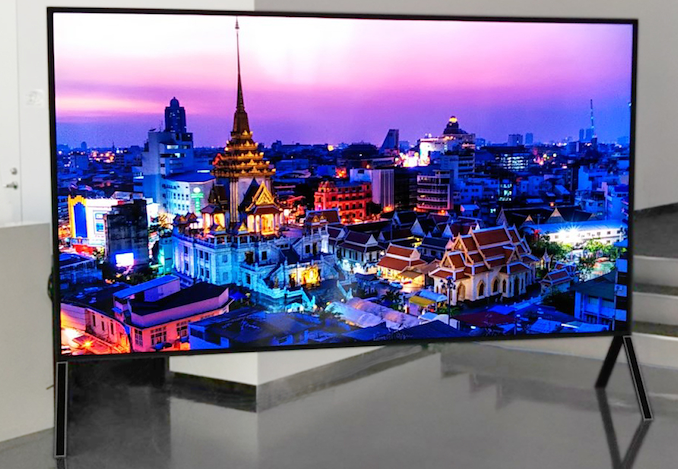
Another interesting 8K device that Sharp plans to demonstrate at IFA will be its 8K display with a built-in 5G modem designed specifically for museums and schools. The 8K Viewer with 5G enables remote viewing of art (or architecture) masterpieces or highly-detailed images/videos needed for education with a naked eye remotely (and with a certain level of interactivity, provided that there is an appropriate infrastructure).
In fact, Sharp plans to create a so-called 8K+5G ecosystem whereby ultra-high-resolution videos and images will be delivered over a 5G network to the end user or to the Internet. For example, a camcorder equipped with a 5G modem will be able to broadcast 8K video with HDR to the Internet without using a smartphone. Considering the fact that an 8K video stream with ultra-wide color gamut will require bandwidth of at least 512 Gbps (Ultra HD Blu-ray’s 128 Gbps × 4), 5G will make a lot of sense for such a broadcast, but to enjoy it one will need a fast Internet connection as well.
Related Reading:
- Sharp Announces 2nd Gen 8K UHD TVs at IFA
- Sharp Demonstrates 31.5-Inch 8K 120Hz HDR Monitor
- Sharp’s 8K UHD TV Available in Japan, Listed in Europe for €11,899
- CEATEC 2016: Sharp Showcases 27-inch 8K 120Hz IGZO Monitor with HDR, also 1000 PPI for VR
- Foxconn Takes Control of Sharp
Source: Sharp


from AnandTech https://ift.tt/2Zuk3xq
China will exempt Tesla cars from purchase tax
from Canoe https://ift.tt/2PqdjwN
Brother of U.S. gymnastics star arrested in triple murder
from Canoe https://ift.tt/34cbvKV
‘WHAT THE F— IS THIS S—‘: Billie Eilish, 17, creeped out by topless, bald magazine cover
from Canoe https://ift.tt/2Ul3kHJ
Hailey Bieber channels Princess Diana in paparazzi-style Vogue photoshoot
from Canoe https://ift.tt/2MLokXo
‘ABSOLUTE MONSTER’: Dorian gains strength as Florida braces for hit
from Canoe https://ift.tt/2NHs6R4
Johnson faces mounting legal, political, diplomatic challenges over Brexit
from Canoe https://ift.tt/2ZAOP3v
Taylor Swift’s ‘Lover’ album breaks new record in China
from Canoe https://ift.tt/2Ljynzv
Nadal gets walkover into U.S. Open third round
from Canoe https://ift.tt/2zu9MCT
Thursday, 29 August 2019
Stars’ defenceman Ben Lovejoy retires after 11 NHL seasons
from Canoe https://ift.tt/30SFvd3
Brad Pitt says space epic ‘Ad Astra’ his ‘most challenging film’
from Canoe https://ift.tt/2ZDfKzI
Kendall Jenner accused of ‘cultural appropriation’ for wearing cornrows
from Canoe https://ift.tt/2MJG84Z
Police warn of fraudsters heading to Thunder Bay targeting seniors
from Canoe https://ift.tt/2ZyWJdC
Jussie Smollett insists ‘every iota’ of his account of being victim of racist attack is true
from Canoe https://ift.tt/2Ug1F68
Professor Matthew Mcconaughey to teach at University of Texas
from Canoe https://ift.tt/349nvx2
‘AWKWARD’: Orlando Bloom speaks about filming sex scenes with Cara Delevingne
from Canoe https://ift.tt/2Zmi6nr
DOJ declines to prosecute ex-FBI Director James Comey despite finding that he leaked memo
from Canoe https://ift.tt/2Ud9jOU
DIRTY DEEDS: Pornhub hopes ‘Dirtiest Porn Ever’ will help clean up our oceans
from Canoe https://ift.tt/34bTNXV
‘GET READY’: Trump promises ‘giant package’ related to ethanol to please farmers
from Canoe https://ift.tt/2Lf8xwH
Ref praised for stopping L1 match over homophobic banners, chanting
from Canoe https://ift.tt/2ZquXF0
‘I’D WHACK HIM’: Lauren Hutton details Harvey Weinstein’s bathrobe antics
from Canoe https://ift.tt/2HwW6eF
Myanmar workers facing death penalty for British tourist murders to seek Thai pardon
from Canoe https://ift.tt/2MKA8Jc
Rotated Chinese troops ‘will defend Hong Kong prosperity’
from Canoe https://ift.tt/2PptmL6
Samsung’s CRG5 Curved 27-Inch 240 Hz G-Sync Monitor Now Available for $370
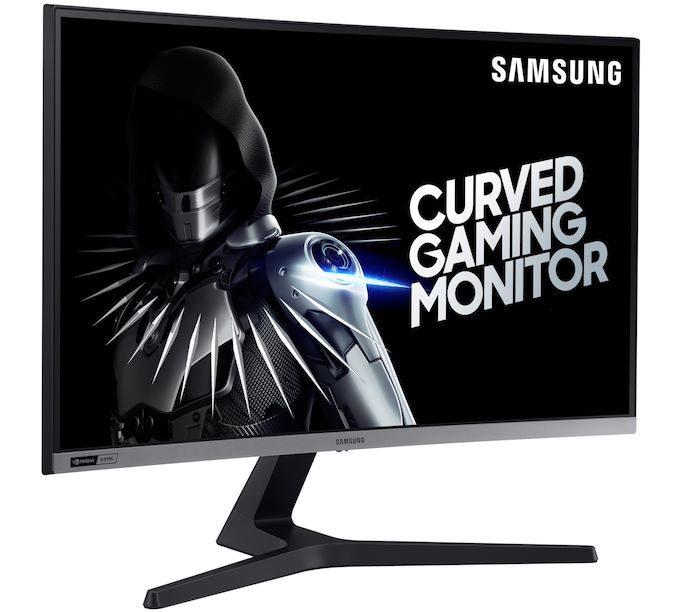
Samsung has started sales of one of the industry’s first curved monitors featuring a 240 Hz maximum refresh rate. Aimed at gamers and esports professionals 'looking for maximum performance', the CRG5 supports NVIDIA’s G-Sync variable refresh rate technology as well as multiple features designed specifically for this target audience.
The Samsung 27-inch CRG5 display is based on a curved VA panel featuring a 1920×1080 resolution, 300 nits brightness, a 3000:1 contrast ratio, a 4 ms response time, a 240 Hz maximum refresh rate, and a 1500R curvature. The LCD can display 16.7 million of colors and can reproduce 72% of the NTSC 1976 color gamut, which is in line with monitors developed primarily for hardcore gamers and esports enthusiasts.
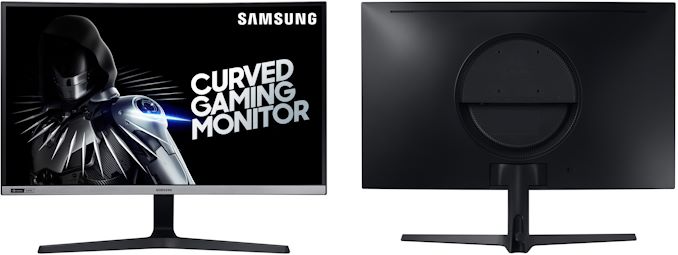
Three key selling features of the CRG5 are curvature, support for NVIDIA’s G-Sync variable refresh rate technology, and a 240 Hz maximum refresh rate, a combination not available previosly. Meanwhile, since the monitor is designed for a very special target audience seeking for extreme performance and immersion, it also supports low input lag mode (which bypasses processing by the monitor’s internal scaler), genre-specific game modes, black equalizer mode that makes ultra dark parts of the scenes look brighter, as well as an on-screen crosshair.
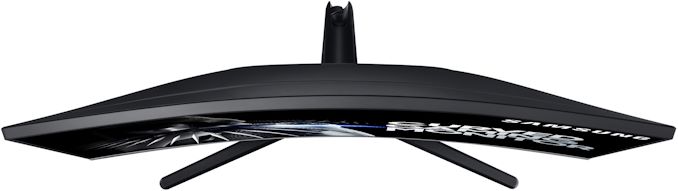
When it comes to connectivity, the CRG5 LCD is equipped with one DisplayPort 1.2 input, two HDMI 2.0 ports, a USB connector for firmware upgrades, and a 3.5-mm audio jack. Meanwhile, the display has a stand that can adjust tilt as well as VESA 75x75 mounting holes.
| The Samsung Curved Gaming Display w/ 240 Hz Refresh | |
| 27CRG5 | |
| Panel | 27" VA |
| Native Resolution | 1920 × 1080 |
| Maximum Refresh Rate | 240 Hz |
| Response Time | 4 ms GtG |
| Brightness | 250 cd/m² (typical) |
| Contrast | 3000:1 |
| Backlighting | LED |
| Viewing Angles | 178°/178° horizontal/vertical |
| Curvature | 1500R |
| Aspect Ratio | 16:9 |
| Color Gamut | 72% NTSC 1976 |
| DisplayHDR Tier | - |
| Dynamic Refresh Rate Tech | NVIDIA G-Sync range? |
| Pixel Pitch | 0.3113 mm² |
| Pixel Density | 81 PPI |
| Inputs | 1 × DisplayPort 1.2 2 × HDMI 2.0 |
| Audio | 3.5 mm output |
| USB Hub | 1 × USB 3.0 Type-A input |
| Stand Adjustments | Height: no Tilt: -2˚ - 15˚ Swivel: no |
| MSRP | $369.99 |
Samsung CRG5 curved 240 Hz monitor is now available from leading retailers like Amazon starting at $369.99 ~ $399.99. In Europe, the product will be available in the near future.
Related Reading
- Samsung Unveils CJ79 & CJ89 Curved LCDs: Quantum Dots, TB3 & USB-C
- Samsung Announces First Freesync 2 Monitors: CHG70 & CHG90 - Quantum Dots, Up to 49”, 144 Hz, DCI-P3
- Dell Reveals Alienware 34 Curved Monitor: WQHD IPS with 120Hz G-Sync
- JapanNext Launches 35-Inch "UWHD" Curved LCD: AMVA & 200Hz Refresh w/FreeSync
- LG to Demo UltraWide 38-Inch 144Hz Gaming & 49-Inch Workstation Displays at CES
- Iiyama Unveils Its First Curved Gaming Display: 31.5-inch, FHD, 144 Hz, FreeSync
Source: Samsung

from AnandTech https://ift.tt/2Hx072x
Drone disruption? Climate activists to target London’s Heathrow airport
from Canoe https://ift.tt/2LhtdUF
Hurricane Dorian gains strength as it takes dead aim at Florida
from Canoe https://ift.tt/2ZoUnmp
‘STRUGGLE CONTINUES’: Colombia’s FARC says it will launch new offensive
from Canoe https://ift.tt/30ENtpQ
Indians’ pitcher Carlos Carrasco likely to return after cancer scar
from Canoe https://ift.tt/32c9sF8
U.S. Open: Svitolina wears down Venus Williams to reach third round
from Canoe https://ift.tt/2ZzDNQi
Sabres’ Matt Hunwick expected to miss 2019-20 season
from Canoe https://ift.tt/30R3yZT
Wednesday, 28 August 2019
With Democratic debate deadline looming, two polls show no bump for bottom-tier candidates
from Canoe https://ift.tt/323kVGO
Nick Kyrgios accuses ATP of being ‘corrupt’ after U.S. Open win
from Canoe https://ift.tt/30DQarS
Michael Jackson’s sexual abuse accusers slam Dave Chappelle
from Canoe https://ift.tt/2ZuVZKD
‘I’M NOT HERE FOR MEAN S—‘: Busy Philipps claps back at fan for mocking her skin
from Canoe https://ift.tt/2ztkOIh
No injuries after Italy’s Stromboli volcano erupts for second time in two months
from Canoe https://ift.tt/2L03XmV
AU Optronics OLED Displays: A New Foldable + A New 17.3-Inch 4K120
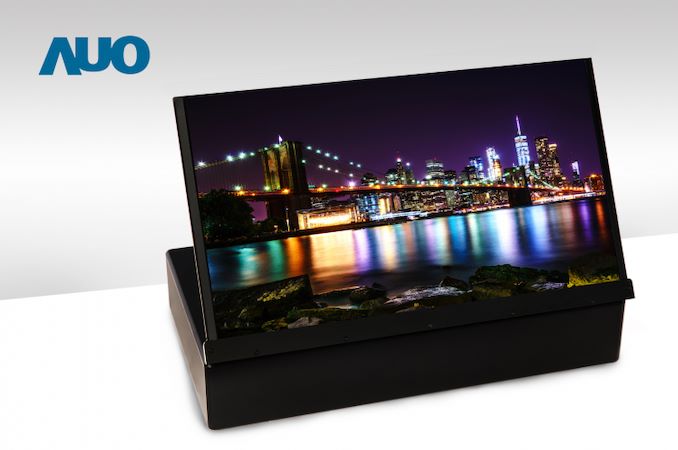
AU Optronics, which is mostly known for its advanced LCDs for televisions and computer monitors, this week demonstrated its latest OLED-type displays for various applications. The company has developed a 5.6-inch foldable AMOLED display for smartphones and similar applications as well as a 17.3-inch OLED for laptops, displays, and small form-factor TVs.
Going for Foldable
AUO’s 5.6-inch foldable AMOLED display can be folded inwards or outwards for 200,000 times at 4-mm folding radius, which is good metric for smartphones. The screen is made using a process technology designed by AU Optronics, it uses a plastic substrate as well as AUO’s proprietary flexible touch panel.
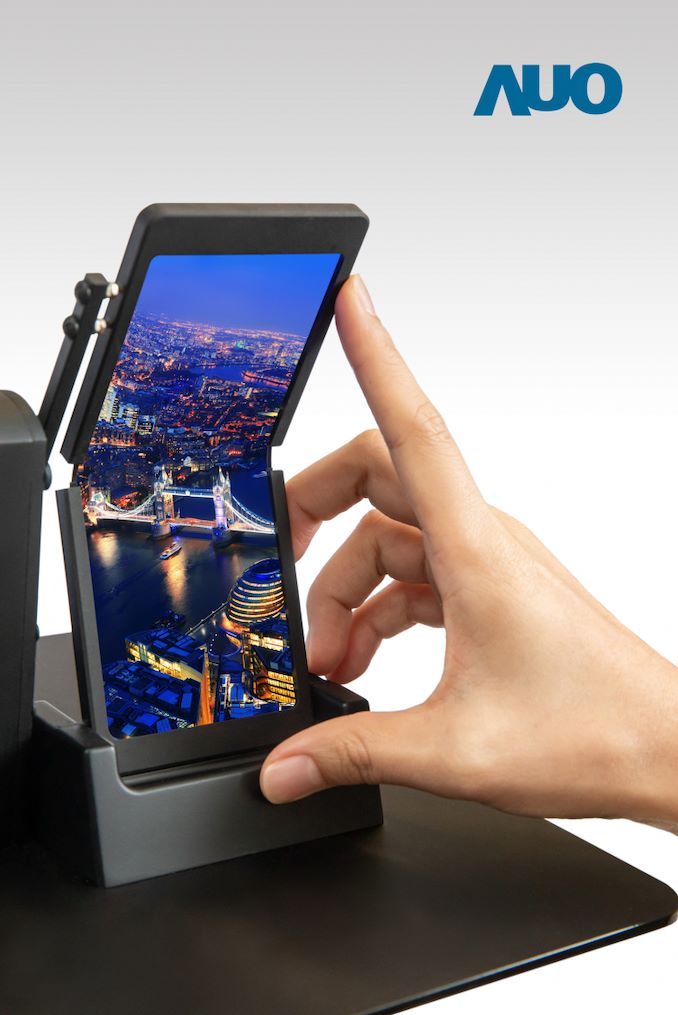
The manufacturer does not disclose resolution of its flexible AMOLED display, but it is logical to expect it to feature a competitive pixel density.
OLED 4K120
The 17.3-inch screen looks somewhat more impressive. It is AUO's first monitor that relies on ink jet printing OLED technology, it features a 3840×2160 resolution, a 225 PPI pixel density, and has a 120 Hz refresh rate. AUO states that it is an IJP OLED that supports a wide color gamut.
AUO does not indicate when it plans to start commercial shipments of its new OLED-type displays, but the fact that it has a foldable OLED screen indicates that demand for such monitors is going to grow. It is noteworthy that AUO has decided to adopt ink jet printing technology that promises to lower production costs and improve yields of OLED. Large makers of OLED screens yet have to adopt printed OLED technology, but Japan OLED has apparently, and AUO believes that it is mature enough.
Related Reading
- Sharp Demonstrates Foldable OLED Display for Smartphones
- JOLED Starts Construction of New Printed OLED Facility
- Samsung Unveils 15.6-Inch Ultra-HD OLED Display for Laptops
- JOLED Demos 21.6-Inch OLED Monitor for Gamers
- New 8K OLED Displays for Tablets and Laptops: 8.3 and 13.3 Inches
- LG to Start Production of OLEDs in China Next Month, Set to Double OLED Output
Source: AUO


from AnandTech https://ift.tt/2UfTreC
Army reservist relieved of military duties over alleged links to neo-Nazis
from Canoe https://ift.tt/30FFo4r
At least 23 killed in suspected attack on bar in Mexico
from Canoe https://ift.tt/328r5Fz
‘THEY WANT THE MONEY’: Girls becoming more involved in gangs in B.C.
from Canoe https://ift.tt/2NBce2w
Playing ketchup in Spain as thousands wage Tomatina fight
from Canoe https://ift.tt/2ZuPkQR
AU Optronics's New 85-Inch 8K LCD TV with 1,024-Zone Backlighting
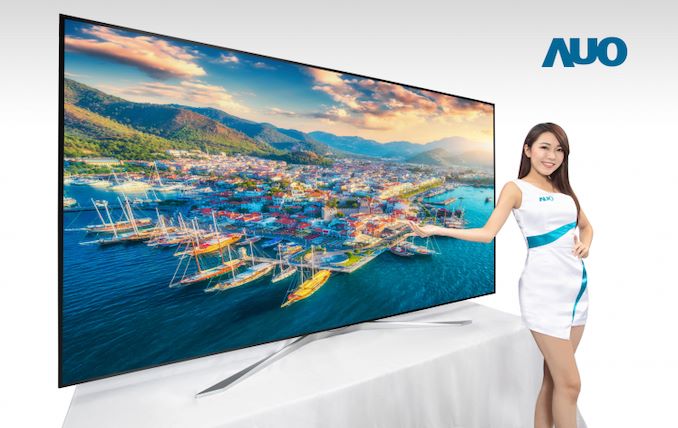
AU Optronics this week showcased a prototype of its most advanced 8K Ultra-HD display featuring an innovative full-area local dimming (FALD) backlighting solution and peak brightness of 2,000 nits. At present, the screen is a proof of concept and AUO does not make any promises regarding its commercial availability of this unit, but it might migrate into a consumer product in the future.
AUO’s most advanced Ultra-HD ALCD TV display relies on an 85-inch panel featuring a 7680×4320 resolution and peak brightness of 2,000 nits. The device has a FALD backlighting with 1,024 zones, so contrast ratios supported by the monitor should be very high. Unfortunately the press release has no word about maximum refresh rate and other features, except that the 8K UHDTV prototype supports high dynamic range, but AUO does not disclose the exact type.
AU Optronics says that its 8K panel with a 1,024-zone FALD backlighting can be mass produced, but says nothing about its price or potential availability timeframe. Considering the fact that 85-inch 8K LCD panels cost a lot and FALD is very expensive in general, we expect UHDTVs based on AUO’s 85-inch 8K panel with FALD to be extremely pricey. As for approximate ETA date, many makers of 8K televisions and panels plan to offer their next-generation products in time for 2020 Tokyo Olympics.
Related Reading
- AUO to Ship 8K UHD TV Panels in Coming Months
- Realtek Demonstrates RTD2893: A Platform for 8K Ultra HD TVs
- Sharp Demonstrates 31.5-Inch 8K 120Hz HDR Monitor
- Samsung's 2019 QLED UHD TVs: 8K TVs Revamped, 4K TVs Get New Panel & Backlighting
- Samsung Starts to Take Pre-Orders on 85-Inch Q900 8K UHDTV
Source: AU Optronics

from AnandTech https://ift.tt/344pDWF
Hong Kong protesters denounce Cathay Pacific for firing cabin crew
from Canoe https://ift.tt/2Ub5Os8
‘VERY BRITISH COUP’: Uproar as Johnson cuts parliament time before Brexit
from Canoe https://ift.tt/2MHlX7J
Former Tour de France champ Jan Ullrich fined for attacking prostitute
from Canoe https://ift.tt/32bN1Q6
First interior shots of Franklin’s HMS Terror released
from Canoe https://ift.tt/2PiaWMc
Canadian sentenced to 10 years in Cuba on sex rap set up: Lawyer
from Canoe https://ift.tt/2NChO4U
Kevin Hart ordered to pay ex-business partners over $700,000
from Canoe https://ift.tt/2NC4k9h
Jenna Dewan’s designer bag snatched by thief
from Canoe https://ift.tt/2MFErFV
Scorsese’s ‘The Irishman’ to get 26-day run in theaters before Netflix
from Canoe https://ift.tt/2HuATlA
Keira Knightley felt guilty missing war protest during ‘Pirates of the Caribbean’
from Canoe https://ift.tt/2Zo188g
Tuesday, 27 August 2019
Dave Chappelle criticizes Michael Jackson accusers in Netflix special
from Canoe https://ift.tt/328Bf9j
Miley Cyrus debuts new break-up tattoo in first performance since marriage split
from Canoe https://ift.tt/30D3egX
Xilinx Announces World Largest FPGA: Virtex Ultrascale+ VU19P with 9m Cells
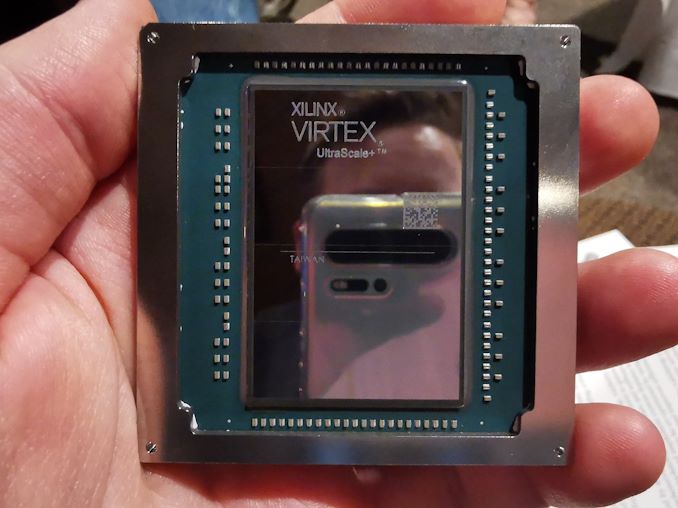
We don’t often cover the FPGA market here at AnandTech, but in the past couple of years we have seen the array of features that FPGAs are implementing expand at an incredible rate. Xilinx has been at some of the forefront of those innovations, with products such as Versal on 7nm and its Alveo family. One key part of Xilinx’s business is emulation and simulation, which requires large FPGAs to fit large designs onto - and the company recently lifted the lid on its latest creation, the Virtex Ultrascale+ VU19P. This new FPGA, when it comes to market, will hold the title of the World’s Largest FPGA.

from AnandTech https://ift.tt/2PhdLNM
John Travolta mistakes drag queen for Taylor Swift at MTV VMAs
from Canoe https://ift.tt/2Zmho9N
Britain’s Corbyn ‘will do everything necessary’ to stop no-deal Brexit
from Canoe https://ift.tt/2UcJ2QS
British teen denies faking Israeli gang rape accusation in Cyprus
from Canoe https://ift.tt/30yCNJn
Hong Kong artist offers free protest-themed tattoos
from Canoe https://ift.tt/2KXHwid
Lenovo Launches ThinkPad X1 Carbon Gen 7: Thinner, Lighter, Comet Lake Inside
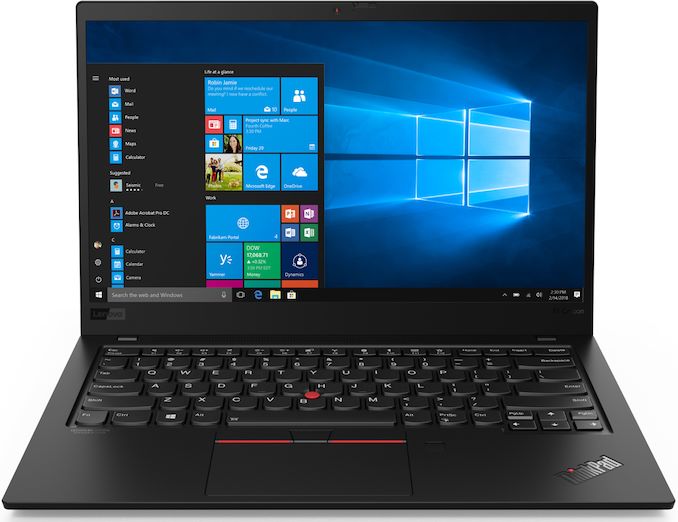
Lenovo has officially launched its 7th Generation ThinkPad X1 Carbon notebook. Originally announced back at CES 2019 earlier this year, the new ThinkPad X1 Carbon got itself a thinner and lighter chassis, an improved 4K LCD featuring a 500 nits brightness and HDR support, as well as Intel’s latest 10th Generation Core Comet Lake processors with up to six cores.
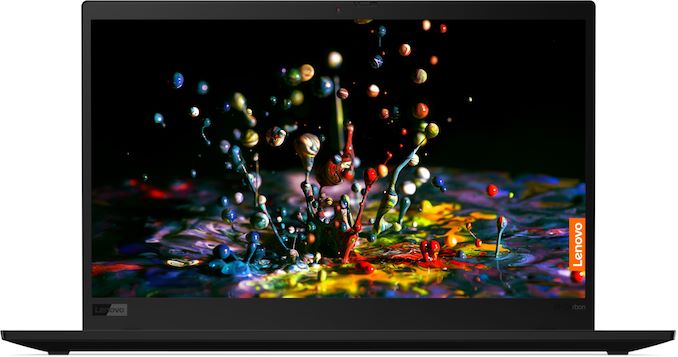
The ThinkPad X1 Carbon Gen 7 — Lenovo’s new flagship ultraportable laptop that promises to offer the best the company has — comes in a brand new carbon fiber chassis that is 14.95 mm thick (down from 15.95 mm before) and weighs 1.09 kilograms (down from 1.13 kilograms before). The laptop has ultra-thin display bezels that allow to install a 14-inch IPS LCD into 13.3-inch-class chassis. Depending on exact model, the new ThinkPad X1 Carbon will come with a Full-HD with ThinkPad Privacy Guard, WQHD, or Ultra-HD display panel. Flagship SKUs with a 4K screen will feature 500 nits brightness and will carry VESA’s DisplayHDR 400 badge.
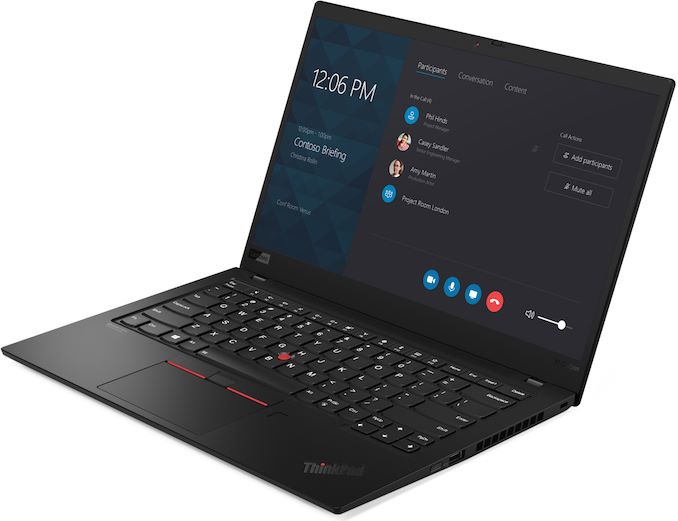
Apart from the new chassis and new display options, the new ThinkPad X1 Carbon Gen 7 notebooks will get Intel’s latest 10th Gen Core i5 or Core i7 processors codenamed Comet Lake with four or six cores as well as Intel’s UHD Graphics 620 iGPU. The CPUs will be accompanied by 8 or 16 GB of LPDDR3 memory as well as an NVMe SSD featuring capacities of up to 2 TB.
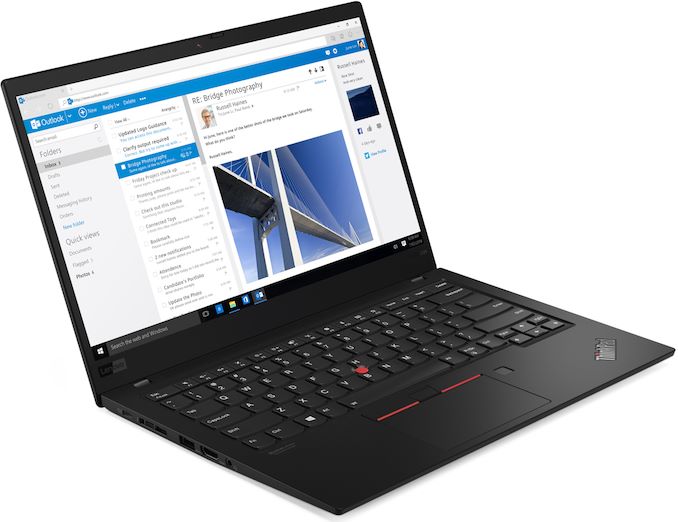
When it comes to connectivity, the 7th Gen ThinkPad X1 Carbon is equipped with Intel’s Wi-Fi + Bluetooth adapter (Wi-Fi 6 will be supported on select models), an optional 4G/LTE Cat 9 or Cat 16 modem, two Thunderbolt 3 ports, USB 3.0 Type-A connectors, a GbE with a new dongle, an HDMI 1.4 output and a 3.5-mm audio connector for headsets.
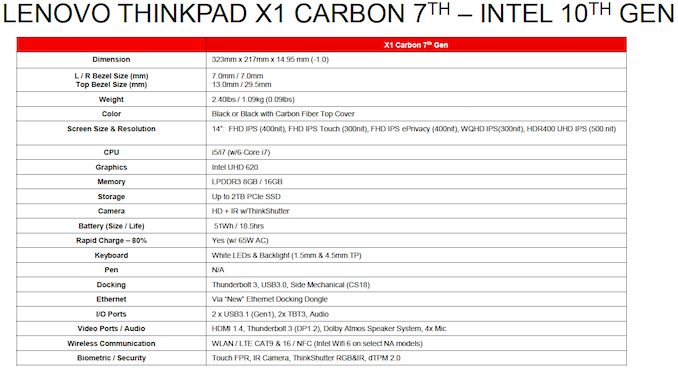
Among the significant advances of the upcoming ThinkPad X1 Carbon laptops when compared to its predecessors is an overhauled Dolby Atmos-badged audio subsystem with four speakers and four far-field microphones. As for webcam, Lenovo will offer an IR-equipped 720p camera with the company’s ThinkShutter privacy cover.
Being equipped with a 51 Wh battery, Lenovo’s 7th Generation ThinkPad X1 Carbon will work for up to 18.5 hours, though the company does not say which of the SKUs will work for that long. In fact, it is likely that battery life of flagship model based on a six-core CPU and featuring an Ultra-HD display will likely work for less time depending on the usage model.
Lenovo will start sales of the 7th Generation ThinkPad X1 Carbon notebooks in the near future. Prices will depend on exact configurations.
Related Reading:
- Lenovo at CES 2019: 7th Gen ThinkPad X1 Carbon Gets Thinner
- Lenovo Unveils ThinkPad X1 Extreme Gen 2: New CPU, GPU, OLED Display Option
- Lenovo at CES 2019: ThinkPad X1 Yoga Gets Thinner Aluminum Body, 4K HDR LCD
Source: Lenovo

from AnandTech https://ift.tt/2NuF7gS